Adhesion checked on roofMoisture sources investigatedCompatible repairs specified
Wilkes-Barre Silicone Roof Coating Fit
Wilkes-Barre silicone roof coating depends on a dry, prepared substrate and repairs that connect cleanly with the selected finish.
A Stable Existing Surface
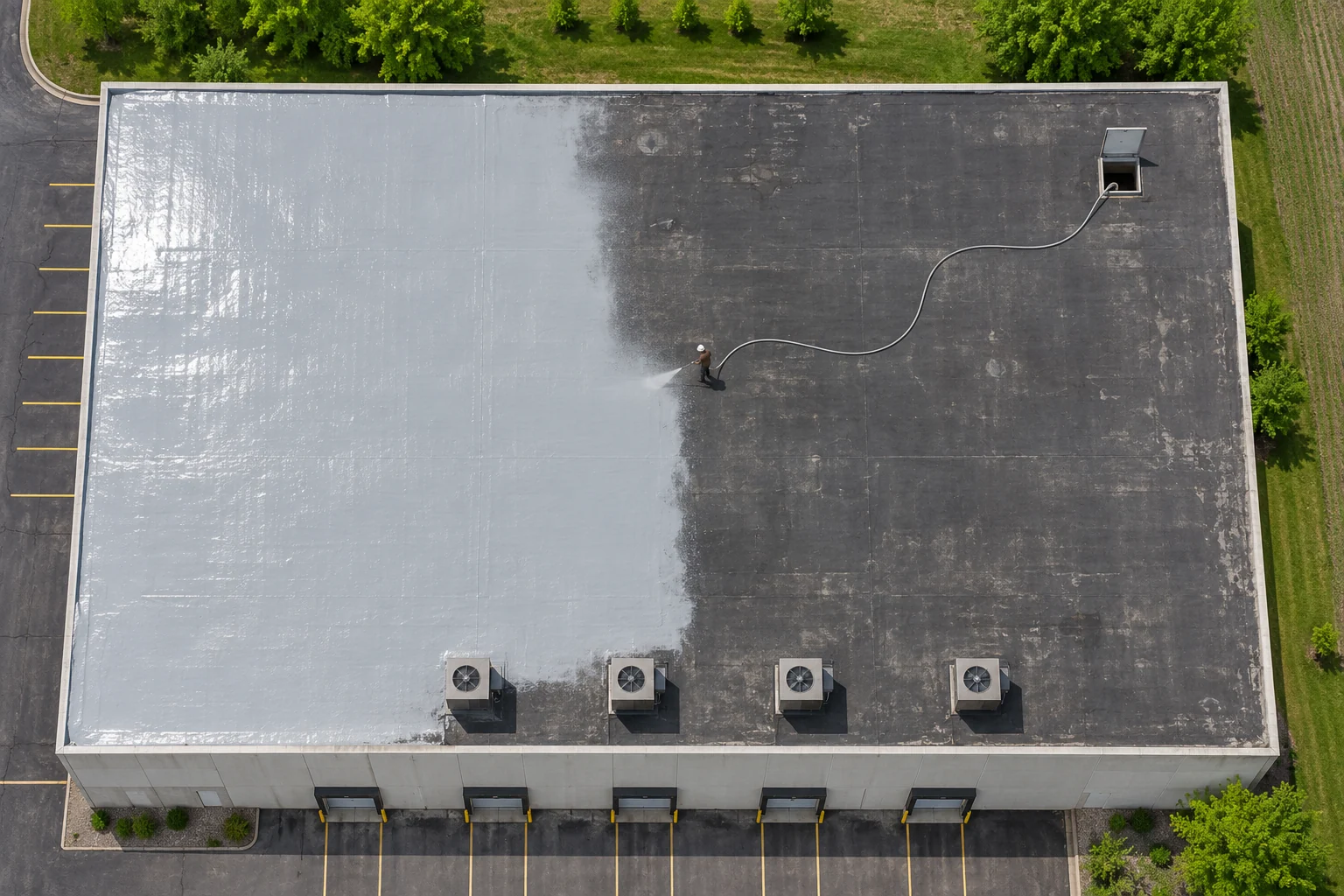
A roof with retained attachment and a firm existing finish can be evaluated for silicone restoration. We examine earlier coatings, patch materials and contamination near equipment. The preparation method follows the actual substrate, including any primer needed to support adhesion across repaired and original surfaces.
Moisture Requires Investigation
Wet insulation and deteriorated decking need attention before a roof is covered. Drainage defects also remain part of the work. Silicone selection does not establish that the assembly underneath is ready, so we investigate standing water, internal staining and movement at flashing before recommending restoration.
Silicone Roof Coating Preparation in Wilkes-Barre
Silicone Roof Coating in Cold Weather
Inspect
Air temperature alone tells only part of the application story. The roof surface can remain colder, especially in shaded areas. Frost, condensation and the forecast through curing are checked against the selected product requirements before preparation moves into coating work.
Silicone Roof Coating Cost
Inspect
The estimate includes more than material spread over a measured area. Preparation, primer, seam reinforcement and flashing repairs all affect the scope. Existing contamination and difficult access can add work, while the specified thickness determines the amount of coating needed on the prepared roof.
Residue Around Equipment
Inspect
Discharges near vents can leave oily deposits or persistent dirt on the finish. We identify the contamination source and define cleaning before testing adhesion. A clean-looking area still needs evaluation where equipment has repeatedly exposed the surface to residues that affect bonding.
Edges of Old Repairs
Inspect
Patch seams are checked for lifting, cracking and movement before they are incorporated into a silicone system. Incompatible material needs removal or an approved treatment. The repair connection must remain secure so the finish can cover it without relying on a loose underlying layer.
Commercial Roof Coating Options for Wilkes-Barre
Silicone Restoration
A silicone system is selected with its primer, sealants and repair details as a complete application. Drainage and maintenance access remain relevant to that choice. Required coverage follows the product instructions instead of a coat count chosen without regard to thickness.
Acrylic Alternative
Acrylic requires its own compatibility and drying assessment. Switching between coating types should follow explicit product guidance. The existing roof finish is identified first so preparation and later repairs can be designed around the material that actually remains on the building.
Foam With Protective Coating
Spray foam introduces insulation and changes the roof assembly. Its protective surface requires maintenance and compatible repairs. We evaluate substrate dryness, attachment and installation access separately from a simple recoat, including how equipment servicing will cross the completed surface.
Benefits of Coating Your Roof
WarehousesCommercial blocksPlant roofs
Flashing Transitions Covered
Reinforced details link the roof field to curbs, penetrations and perimeter flashing. Preparing these transitions before the main application gives each connection direct attention. Broad coating passes then cover the specified field area without substituting for repairs at loose or broken flashing.
Surface Renewal for Retained Roofing
Silicone can renew weather protection on a roof that passes the restoration assessment. Retaining that assembly depends on its underlying condition. The work includes surface preparation and the specified coating thickness, with damaged areas repaired before the field is finished.
A Defined Repair Material
Identifying the completed silicone system helps later maintenance use compatible products. Equipment technicians and property contacts can preserve those details during subsequent roof visits. Keeping the product information alongside photographs of penetrations provides a useful reference when localized damage needs attention.
Silicone Roof Coating for Wilkes-Barre Buildings
Tell us about standing water, earlier coatings and equipment on the roof. Those conditions guide the preparation and compatibility checks.
Drainage paths, roof attachment and interior moisture evidence are reviewed together. We examine existing coatings and repairs around penetrations. These observations help establish whether restoration can proceed and where additional investigation is needed before the roof receives another finish.
02
Prepare Existing Finishes
Loose layers and contamination are removed using methods supported for the substrate. Cleaning includes areas beside curbs and inside narrow drainage paths. Prepared test areas help establish whether the surface will accept the selected silicone system and its primer.
03
Repair the Connections
Seams and flashing are repaired with compatible materials before the field application. Details around equipment receive reinforcement where the system calls for it. The objective is a secure transition from the existing roofing to each penetration and perimeter connection.
04
Apply the Specified System
Primer and coating are installed in the sequence required by the product instructions. Thickness is checked as the application progresses. Surface temperature, moisture and curing conditions determine whether the next pass or access activity can proceed.
05
Inspect the Finished Details
The completed surface is checked around drains, flashing and repaired seams. Access routes are identified for future servicing. Any later damage should be repaired with materials compatible with the silicone finish, after the cause of the damage has been addressed.
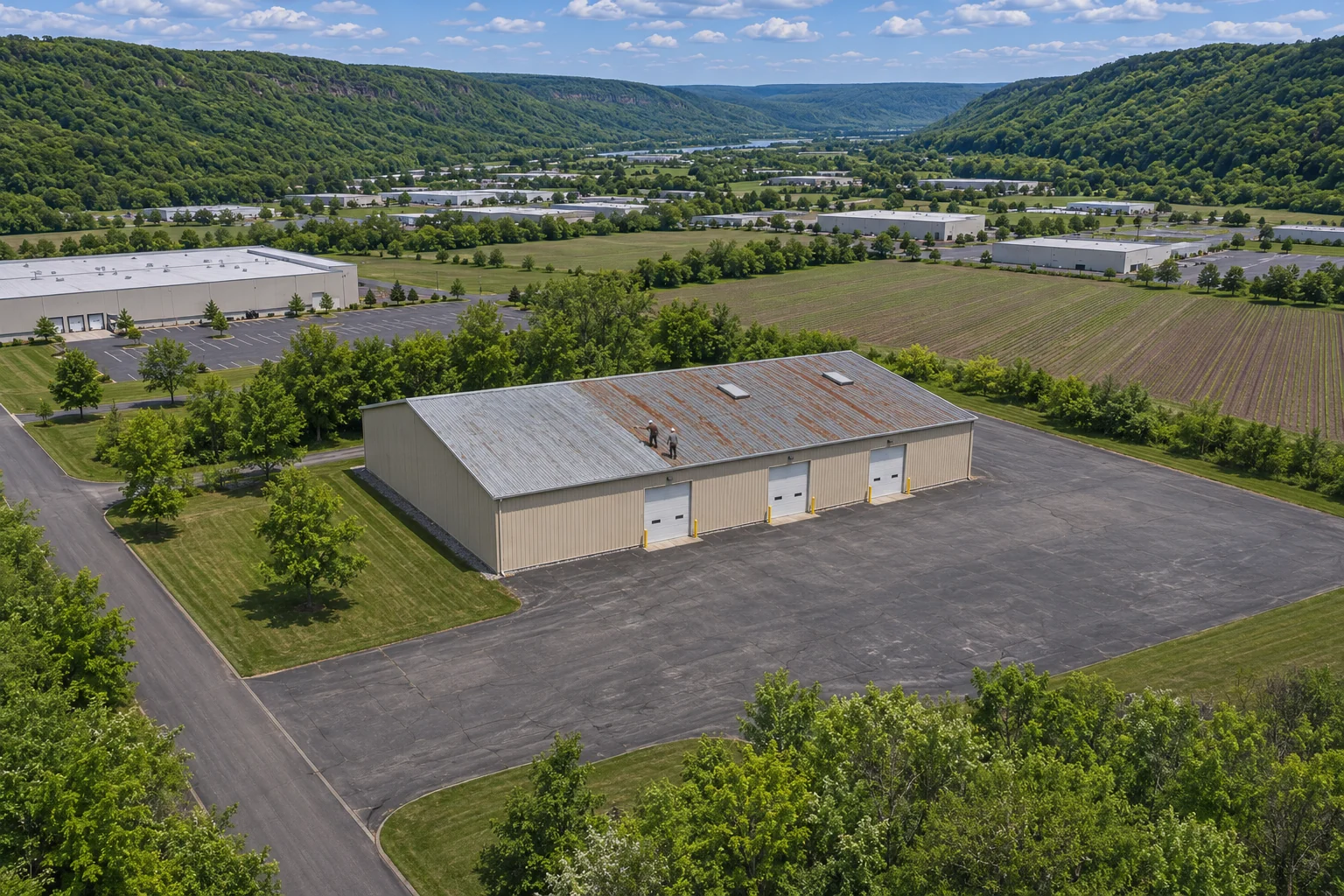
Metal roofs beneath a proposed silicone system need corrosion treatment and reliable fastener attachment. Commercial metal coating work covers those panel details before the finish is applied, including lap repairs and the condition of existing washers and sealants.
If insulation work is part of the project, foam roofing requires an assembly assessment. Substrate repairs, foam thickness and protective coating are considered together. Equipment access and protection around air intakes also influence the work sequence.
Silicone Roof Coating Questions for Wilkes-Barre
Can a warm afternoon make cold roof panels suitable for silicone?
A warmer air reading is insufficient on its own. Roof temperature, surface moisture and the conditions expected during curing must meet the product instructions. We check shaded panels and areas holding condensation before application. The same checks apply when a mild afternoon is followed by a colder night.
How should the required silicone coats appear in a roof coating budget?
The scope should state the required thickness and how application passes will achieve it. The coating comparison is about $2.50–$4 per square foot, versus $5–$8 for replacement. Preparation, access, flashing and reinforcement change the actual work. Counting coats alone leaves those requirements unresolved.
Which silicone limitations should a corrugated box plant consider?
A plant should account for service traffic, contamination and compatibility of future repairs. Wet coated surfaces also affect access precautions. We inspect routes to equipment and the condition of the roof below the finish. Drainage and weakened panels still need correction as part of the proposed work.
Can silicone be applied over unknown patch material?
Unknown repair material needs identification or a compatibility assessment before it becomes part of the coating substrate. We check attachment at the patch perimeter and evaluate a prepared area. Material that separates or conflicts with the selected system is addressed before application across the surrounding roof.
How are drains handled during silicone application?
Drains remain part of the roof’s water-removal system throughout the work. Preparation clears debris and examines the connection between the drain and roofing. Coating details follow the selected system while preserving the opening and drainage path. Continued inspection keeps later debris from masking problems beside the finished connection.
Discuss Wilkes-Barre Silicone Roof Coating
Discuss the existing finish, drainage and access requirements for your commercial roof.